
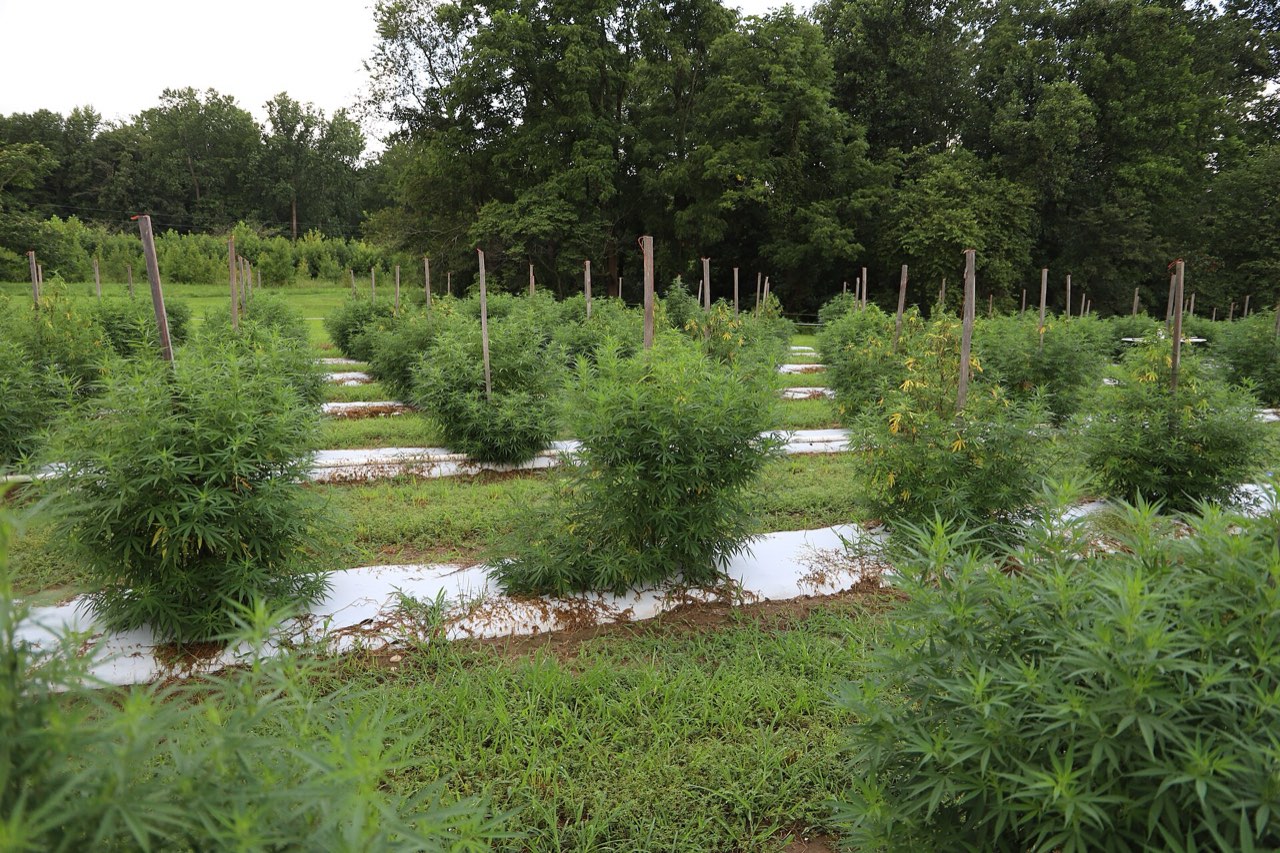
Two federal dates are set to reshape what can be sold as "hemp" in New York. Synthetic cannabinoids are due to lose their federal cover on Nov. 12. Most other intoxicating hemp products are set to follow on Dec. 11, unless Congress acts first.
For New Yorkers, the catch is that the state's own rules and the coming federal limit do not match. A hemp product that fully complies with New York's rules could still be over the federal line next month.
What happens on each date
A law signed in November 2025 rewrote the federal definition of hemp. According to New York's Office of Cannabis Management (OCM), it prohibits products with more than 0.4 milligrams of total THC per container, counts all THC compounds including THCa, and excludes synthetic cannabinoids.
It was set to take effect after one year. Then Congress bought more time. President Trump signed H.R. 6500, the stopgap funding bill, on Sept. 2. A Congressional Research Service report notes that the Senate voted 61-32 to table an amendment that would have removed the hemp delay. As Marijuana Moment and Foley Hoag describe the result:
- Nov. 12: Synthetic cannabinoids that cannot be naturally produced by the cannabis plant are still scheduled to be banned.
- Dec. 11: Most other restrictions, including the 0.4 mg cap, take effect. The stopgap's government funding runs out the same day.
Where New York's rules differ
New York runs its own Cannabinoid Hemp Program. Under state regulations, most orally consumed hemp products can have up to 10 milligrams of total THC per package and no more than 1 mg per serving. Tinctures can have up to 100 mg per package. Most products also need a CBD-to-THC ratio of at least 15 to 1.
So a state-compliant 10 mg package holds about 25 times the 0.4 mg the federal law will allow.
OCM's FAQ says the federal law "does not replace" New York's framework but "may have impacts," especially for products made in other states. It also lists enforcement and the transition among the open questions. That document is marked as last updated in November 2025, and we found no newer OCM guidance reflecting the December date. States keep authority over what is sold within their borders, it says, but that doesn't make a product legal under federal law.
Products sold at licensed adult-use dispensaries are a different category. They are regulated as cannabis under state law, not as hemp, so this deadline is not aimed at them. They remain subject to their own federal issues.
What Congress might still do
No fix has passed. As of Oct. 30, Marijuana Moment reported that these proposals had not gained traction with congressional leaders:
- The HEMP Act from Reps. Morgan Griffith (R-VA) and Marc Veasey (D-TX), which would regulate products rather than ban them. Griffith wants hemp rules in a reconciliation bill, possibly after the midterms.
- A bill from Rep. Andy Barr (R-KY) to block recriminalization and set rules including an age limit of 21.
- A draft from Rep. James Comer (R-KY) to delay the ban and add packaging and testing rules.
- The drinks bill we covered in August, from Rep. Beth Van Duyne (R-TX).
A new bill from Rep. Val Hoyle (D-OR), H.R. 10929, filed Oct. 29, would add tariffs and testing on imports rather than change the deadlines.
Opposition is organized too. In August, 35 state and territory attorneys general asked Congress not to delay or weaken the ban.
What to watch in New York
Albany may act next year. In September, Hochul's deputy secretary for gaming, cannabis and alcohol, Chelsea Davis, told the New York Post that the unlicensed THC drink market was untenable and could become a governor's priority next session, Hoodline reported. S9220, which would let liquor stores sell low-dose drinks made by New York adult-use licensees, remains in committee.
If you buy hemp products at a shop, expect shelves to change over the coming weeks. For stronger products, New York's licensed dispensaries are the legal route. For adults 21+.