
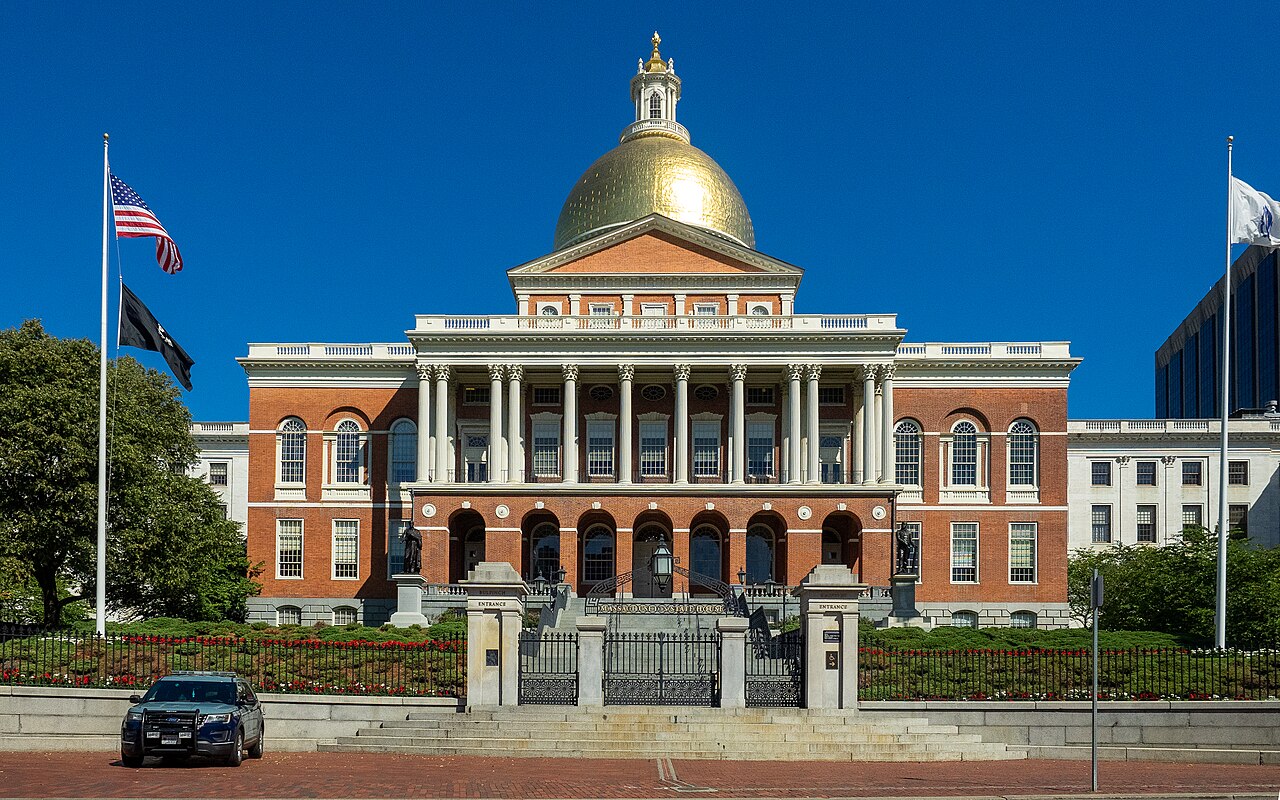
Massachusetts voters have decided to keep their legal cannabis stores open, and it wasn't close. With 99% of the expected vote counted, Question 8 was failing 75.63% to 24.37%, or 1,964,006 votes to 632,881, according to Associated Press results published by NBC Boston. The AP had projected the outcome by the morning after the Nov. 3 vote.
The measure would have been the first time a legal-cannabis state repealed commercial sales at the ballot box. For New York, a lopsided defeat next door matters more than it might seem.
What voters rejected
As we reported before the vote, Question 8 would have repealed the laws that allow licensed recreational sales and home growing. Adults could still have possessed small amounts, and the medical program would have stayed. In practice, the market Massachusetts has run since 2018 would have lost its legal stores.
Instead, nothing changes. Adults 21 and older in Massachusetts can keep buying from licensed retailers, and the state's Cannabis Control Commission keeps regulating them.
The result is unofficial until the state certifies it, but a margin of roughly 1.3 million votes leaves no real doubt about the outcome.
The money and the margin
Question 8 was the costliest question on the Massachusetts ballot. Nearly $6.5 million had been spent for and against it through Oct. 15, CommonWealth Beacon reported, and almost all of the yes money came from SAM Action, the political arm of the national group Smart Approaches to Marijuana.
Pre-election polls had shown opposition, and the final count confirmed it by a wide margin.
Supporters of legalization read the result as a warning to other repeal efforts. "There's no 'buyer's remorse' among voters when it comes to legalizing and regulating marijuana," Paul Armentano, deputy director of NORML, said after the vote. We did not find a public statement from the yes campaign.
Why it matters in New York
A test case that failed. Massachusetts was the first serious attempt to undo an established adult-use market at the polls. A narrow loss would have encouraged copycat campaigns. A three-to-one defeat makes the argument that voters regret legalization much harder to sustain, including in Albany.
New York's market can't be repealed this way. New York legalized through the Legislature in 2021, and the state has no process for citizens to put a law on the statewide ballot. Any rollback would need a new law passed by legislators and signed by the governor.
The neighbor stays open. New York and Massachusetts share a border, and New York's market is younger and still growing: the state says its adult-use market passed $4.1 billion in retail sales since sales began in December 2022, with 744 dispensaries open as of Gov. Kathy Hochul's Oct. 27 announcement. Had repeal passed, western Massachusetts residents would have been closer to legal stores in New York than in their own state. That scenario is off the table.
One reminder holds either way: carrying cannabis across state lines is illegal under federal law, even between two states where it is legal. Buy in the state where you'll use it.
What happens next
Massachusetts officials still have to certify the results. NORML's Armentano predicted the defeat "will likely cause these groups, and those who fund them, to reconsider" plans to roll back legal markets elsewhere.
For New York, the more pressing questions are at home: how the state's Cannabis Control Board handles licensing at its next meeting, now listed for Dec. 14 in New York City, and how federal rules change the business. Our July story explains how the measure qualified for the ballot.
NY angle: The country's first ballot attempt to shut down a legal cannabis market lost badly, right on New York's border. New York's own market rests on a law passed by the Legislature, not a ballot vote, and it is unaffected. For adults 21+.