
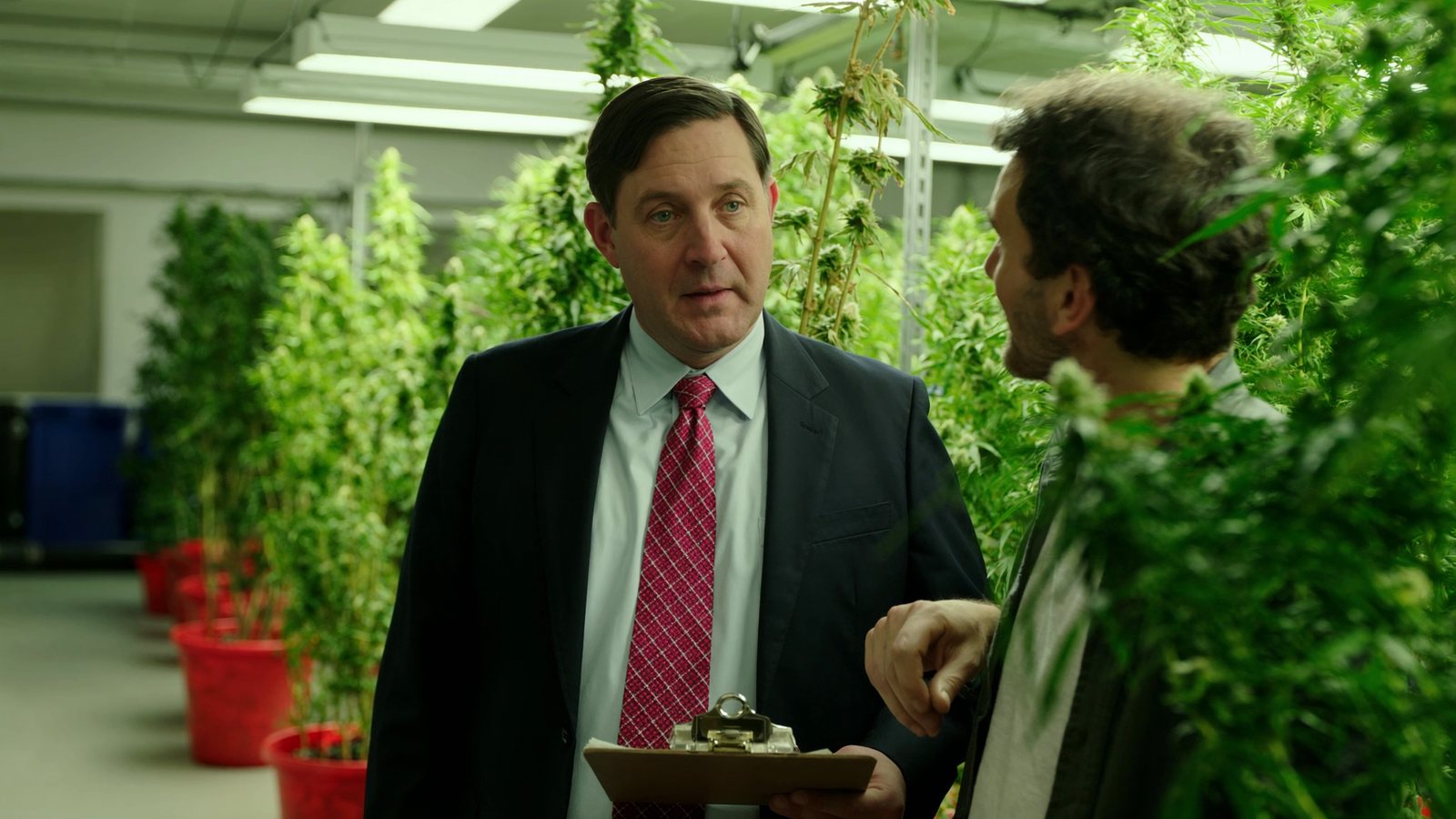
For the first time, federal agents are walking into state-licensed cannabis businesses not to shut them down, but to inspect them as legitimate, federally-registered operators. The DEA has begun conducting on-site inspections at medical cannabis companies that signed up for federal protections under the Schedule III rescheduling process — and the early reports suggest the experience is less raid, more ride-along.
A genuinely new kind of visit
The Mississippi Medical Marijuana Association reported that two of its members were among the first in the country to be visited after registering with the DEA. Each was visited by five or six federal representatives, and the tone, by the operators' accounts, was a far cry from the adversarial federal posture the industry has known for decades.
One operator, whose inspection ran about six hours, described the agents as "very cordial" and said they "did not come in overbearing." More striking was the collaborative framing: the agents seemed "new to this whole process too," the operator said, with an attitude of "we're gonna work on it together." After a century of cannabis being treated as a federal pariah, federal officers showing up to collaborate on compliance is a remarkable turn.
What registration actually involves
This is the on-the-ground reality of the federal pathway that opened when medical cannabis was moved to Schedule III. The DEA launched its registration forms in April, and signing up is not a rubber stamp. Registration carries:
- A roughly $794 annual fee
- Ongoing federal and state compliance obligations
- Product testing requirements
- Extensive disclosure requirements
- On-site inspections — like the ones now beginning
In other words, federal legitimacy comes with federal scrutiny. That's the trade, and it's why registration is a real strategic decision rather than an automatic yes for medical operators.
Why operators are weighing it carefully
The upside of registering is significant: federal protections, the end of the punishing 280E tax burden for qualifying operators, and a foot in the door of a normalizing federal system. The downside is exposure — opening your books, your facility, and your operations to a federal agency that, until very recently, existed largely to prosecute your industry.
That tension is the story of this moment. Schedule III didn't make cannabis federally legal; it created a regulated medical lane with real obligations attached. The businesses walking through that door first are effectively beta-testing what federal cannabis oversight feels like — and so far, the feedback is cautiously positive.
The bigger picture
These inspections are happening against a noisy federal backdrop: the June 29 rescheduling hearing that will weigh moving all cannabis to Schedule III, a court challenge trying to freeze the whole process, and a hearing roster stacked with opponents. Amid all that uncertainty, the quiet reality is that federal agents and cannabis operators are, in a handful of states, already sitting down together to figure out how this works.
The bottom line
The DEA inspecting medical cannabis businesses sounds ominous, but the early experience reads more like two parties learning a new system together than a crackdown. For operators, it's the concrete cost-and-benefit of Schedule III made real: federal legitimacy on one side, a $794 fee and on-site scrutiny on the other. For the rest of us, it's an early, oddly hopeful glimpse of what a federally-regulated cannabis industry might actually look like. For adults 21+.