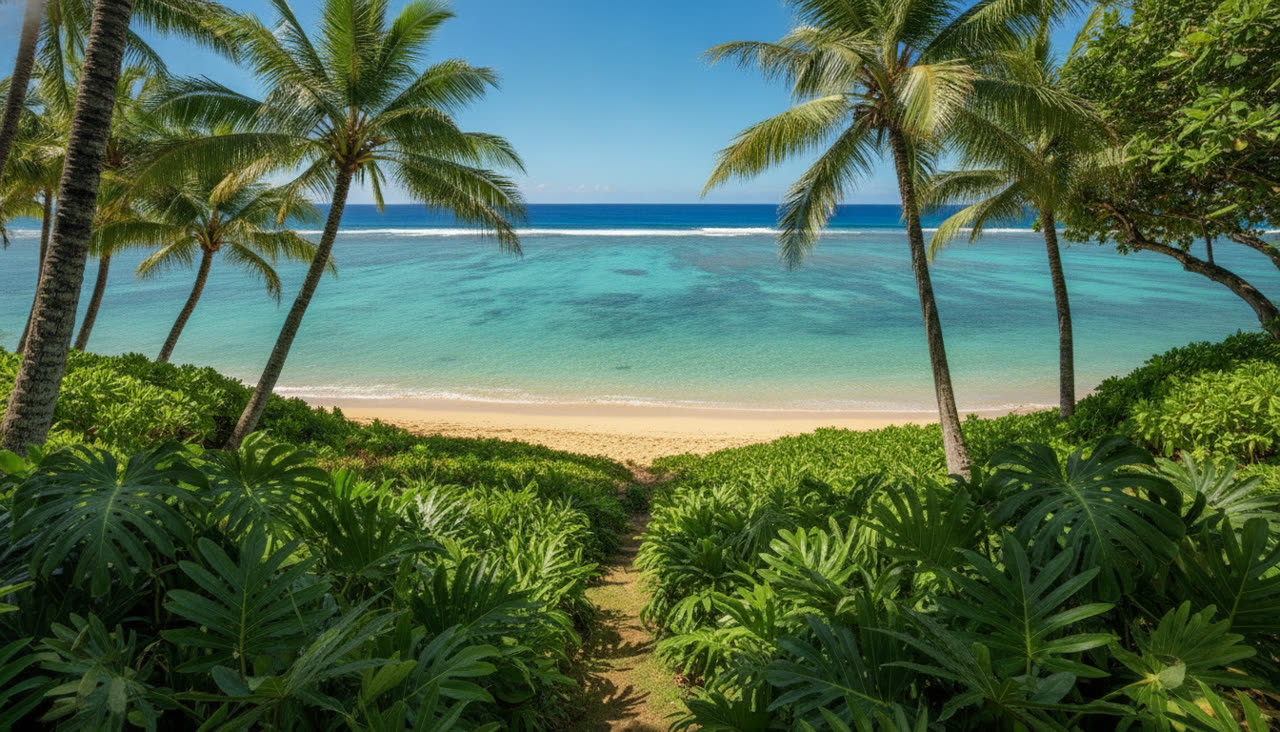
Hawaii has quietly run a medical cannabis program for years. Now analysts are putting a number on what happens if it goes recreational: roughly a $1 billion opportunity — a ten-figure market hiding in paradise.
Why the number is so big
Two things make Hawaii's potential outsized for its population. First, it already has medical infrastructure — growers, dispensaries, and regulation — so an adult-use market wouldn't start from scratch. Second, and more importantly, tourism. Hawaii draws millions of visitors a year, and a recreational market could capture their spending on top of residents', potentially making the market far larger than the local population alone would suggest. It's the same dynamic that supercharged Las Vegas's cannabis scene.
The medical-to-recreational jump
Hawaii joins a familiar list of states weighing the leap from medical to adult-use — the same calculation playing out in places like the states most likely to legalize in 2026. The medical base lowers the barrier, but the jump still requires clearing a legislative and political process, and the details — taxes, licensing, tourism rules — determine whether that $1 billion is realized or left on the table.
Why it matters
Every state that converts adds momentum to the national picture, and Hawaii is a particularly clean test of the tourism-plus-cannabis thesis. If the islands legalize and capture visitor demand the way analysts expect, they'll offer a powerful data point for every other tourism-heavy state still on the fence.
The bottom line
Hawaii's medical program could be the foundation for a billion-dollar recreational market, powered as much by tourists as residents. The opportunity is real; realizing it is a matter of political will and smart market design. For adults 21+.