
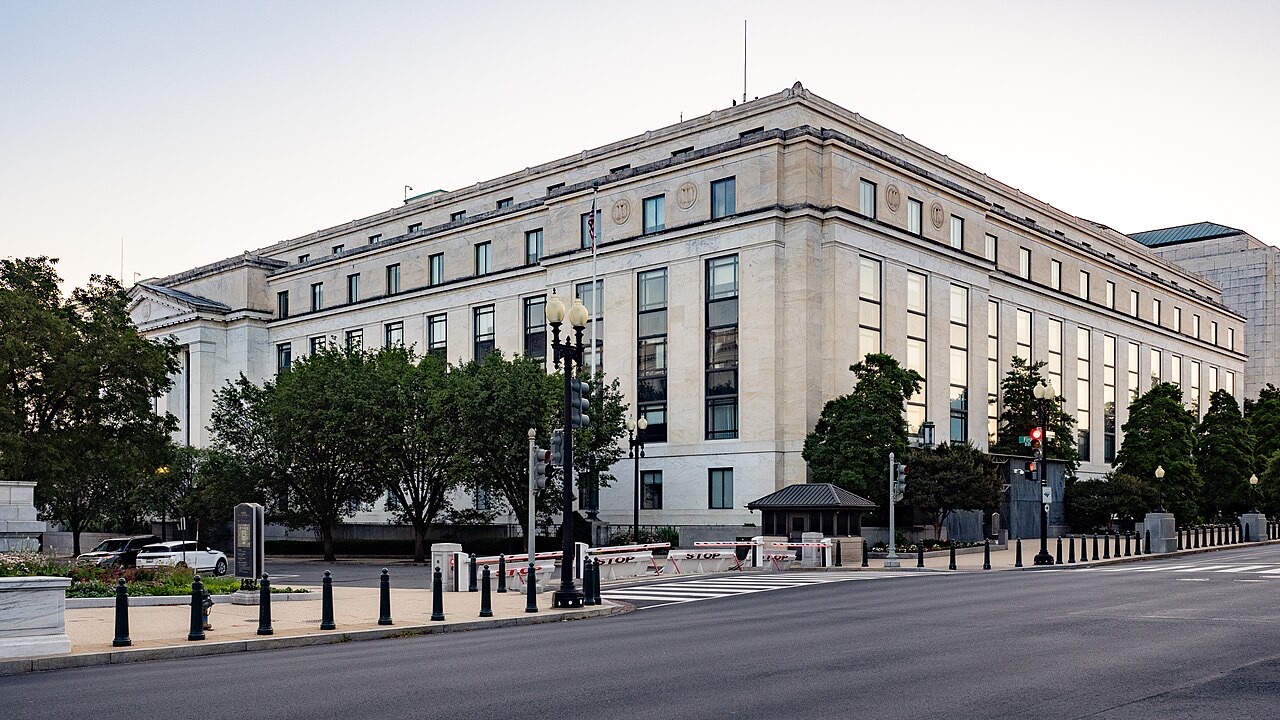
The federal protection that keeps the Justice Department from interfering with New York's medical cannabis program is back in the Senate's next spending bill, and a House plan to block marijuana rescheduling is not.
The Senate Appropriations Committee released the text of its fiscal year 2027 Commerce, Justice, Science bill on Nov. 12, along with four other funding bills. It is a committee draft prepared for markup, so nothing in it is law yet. But it sets the Senate's opening position on two questions that matter to New York operators and patients.
What the Senate bill says
Medical marijuana protection (Section 531). The bill text bars Justice Department funds from being used, with respect to a list of states, territories and the District of Columbia, "to prevent any of them from implementing their own laws that authorize the use, distribution, possession, or cultivation of medical marijuana." New York is on the list. Marijuana Moment reports the provision has been carried in federal spending law since 2014.
Hemp (Section 530). A separate section bars DOJ and DEA from spending money in contravention of Section 7606 of the 2014 Farm Bill, the provision on industrial hemp research.
No rescheduling ban. We read the full 141-page draft. It contains no language restricting marijuana rescheduling.
How it differs from the House
The House Appropriations Committee reported its version, H.R. 8845, on May 15. It also protects state medical marijuana programs, with New York on its list, but it adds two things the Senate left out:
- Section 591 would bar funds from being used to "reschedule marijuana" or remove it from the Controlled Substances Act schedules.
- Section 531(b) says DOJ funds "may be used to enforce violations of 21 U.S.C. 860," the federal drug-free school zone law.
Those differences will have to be settled in final negotiations.
Why it matters in New York
For patients and medical operators, the rider is the federal backstop behind New York's medical program. It does not legalize anything; it limits what DOJ can spend money on. It also covers medical marijuana only. New York's adult-use stores are not named in it.
For the rescheduling fight, the House's Section 591 is the bigger risk. State-licensed medical marijuana has already been moved to Schedule III, and New York businesses are among the applicants for federal registration, as we reported. A separate DEA hearing on moving all marijuana to Schedule III is still pending, and a court challenge continues. A spending ban on rescheduling could complicate both, so its absence from the Senate bill matters.
For hemp, Section 530 is a long-standing research protection. It does not change the new federal limits on intoxicating hemp products, whose second phase arrives Dec. 11.
DEA's 2027 quota notice
In a related move, DEA published its proposed 2027 production quotas on Nov. 10. The quotas for Schedule I marijuana stay at 2026 levels: 6,675,000 grams of marijuana, 1,000,000 grams of marijuana extract and 1,523,040 grams of delta-9-THC. The notice says DEA will publish a separate notice once it determines proposed quotas for the Schedule III substances. Comments are due Dec. 10.
What happens next
The Senate committee had not scheduled votes on the bill as of its release. The fiscal year that this bill funds began Oct. 1, so final numbers will come through a negotiated package with the House. We will report which version of the cannabis language survives.
NY angle: New York's medical program keeps its federal shield in the Senate's draft, and the Senate is not joining the House in trying to block rescheduling through the budget. Watch the final House-Senate deal. For adults 21+ and registered medical patients.