
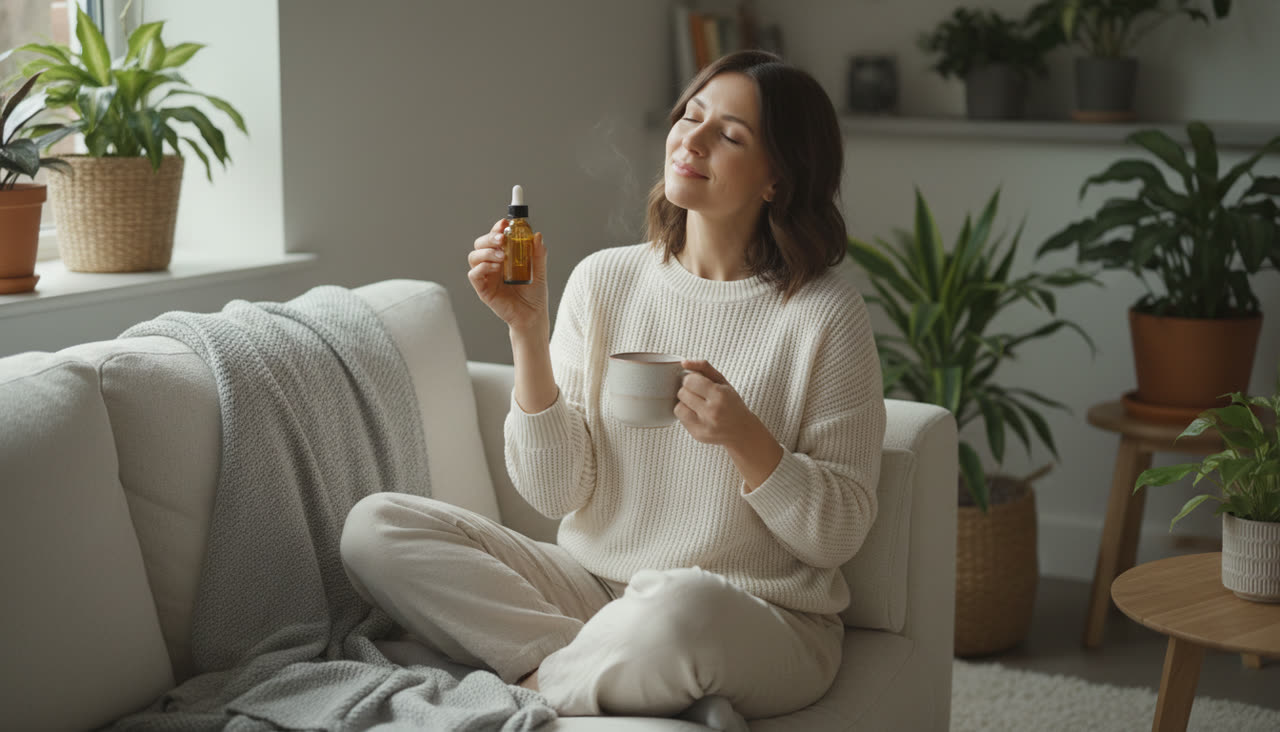
The face of the cannabis consumer has changed, and the data is striking enough to make every dispensary owner pay attention: more than one in three women in the United States now uses cannabis, which means there are now more female cannabis consumers than male. For an industry that spent decades marketing to a stereotype — the young male "stoner" — this is a quiet revolution that rewrites the entire customer playbook.
I've watched the cannabis consumer evolve over twenty years, and no shift has been more consequential or more underestimated than this one. The growth isn't coming from where the old clichés would predict. It's coming from women, and it's overwhelmingly driven by wellness.
Wellness, not rebellion
The "why" matters as much as the "who." Women are increasingly turning to cannabis for relief from stress, anxiety, and sleep trouble — using it less as a recreational indulgence and more as a deliberate part of a health and self-care routine. That reframing changes everything about how the product is chosen, used, and sold.
A consumer reaching for cannabis to unwind after a hard day or to sleep through the night wants something completely different from the maximum-THC products that defined the industry's early years. She wants control, predictability, discretion, and a clear sense of what the product will do. She's reading labels, not chasing potency. And she's bringing a wellness consumer's expectations — quality, transparency, and brand trust — to a category that didn't always meet them.
The cannabis industry spent decades selling to a stereotype. The actual majority customer was being ignored the whole time.
How the smartest retailers are responding
Stores that pay attention are already adapting. Retailers report refocusing shelf space toward the categories women buy most:
- Topicals — for targeted, non-intoxicating relief
- Tinctures — for precise, controllable dosing
- Edibles — increasingly in lower-dose formats
- Beverages — as a social, alcohol-free option
What unites these products is a common thread: discretion, control, and a wellness-forward framing that sits comfortably alongside the rest of a modern self-care routine. They're not about getting as high as possible. They're about fitting cannabis into a life — a busy, health-conscious, discerning life.
This is exactly the kind of consumer shift that separates the operators who will thrive from those who'll struggle. A dispensary still merchandising primarily to the old stereotype is leaving the majority of the market on the table. The ones who train budtenders to talk knowledgeably about a tincture for sleep or a topical for soreness — without condescension — are the ones building the loyal customer base of the next decade.
It connects to the bigger pattern
This trend doesn't stand alone. It dovetails with the broader move toward low-dose, sophisticated products that I've watched accelerate across the whole market — the same forces driving the explosion in low-dose beverages and 10mg-and-under edibles. Cannabis is going mainstream not by getting stronger, but by getting smarter about who it serves and what they actually want.
That's a profound reorientation. For most of its history, this industry optimized for its heaviest users. The future belongs to products and brands that welcome the broad, wellness-minded middle — and women are leading that expansion. As the stigma fades, cannabis is increasingly taking its place next to the supplements, the skincare, and the wellness rituals that millions of people already weave into their days.
The practical takeaway
If you're a consumer exploring cannabis for wellness, the encouraging news is that the market is finally building for you. There are more low-dose, discreet, well-labeled products than ever, and the quality bar keeps rising. My advice is the same I'd give anyone: start low, choose brands that are transparent about testing and dosing, and let the product earn your trust before you go up in dose.
The easiest way to navigate the growing wellness selection is to compare products and prices before you shop. High Today tracks deals and brands across licensed New York dispensaries, so you can find topicals, tinctures, and low-dose options that fit your routine — and see what's available near you on the delivery map.
What this means for how cannabis is marketed
If women are the majority and wellness is the driver, then most cannabis marketing is aimed at the wrong person in the wrong language. The lazy playbook — loud packaging, potency bragging, tired stoner humor — actively repels the consumer who's now leading the market's growth. The brands that will win the next decade are the ones that market like a wellness company: education over hype, transparency about testing and dosing, clean and trustworthy design, and a tone that respects the customer's intelligence.
This extends onto the retail floor. A budtender who can knowledgeably and respectfully guide someone toward a tincture for sleep or a topical for soreness is worth more than any ad campaign, because trust is the currency of wellness purchasing. The opportunity here is enormous precisely because so much of the industry hasn't caught up — there's open ground for any operator willing to take this consumer seriously, and the first brands to plant a flag there will own a relationship that's very hard for latecomers to dislodge. Get to know the brands leaning into transparency and quality, compare deals, and check licensed dispensaries that train their staff to advise rather than upsell. That combination — honest brands and knowledgeable retail — is what turns a curious first-timer into a loyal, lifelong customer.
The cannabis consumer the industry imagined for fifty years was a caricature. The real one — increasingly a woman using cannabis as part of a thoughtful wellness routine — was here all along. The businesses that finally see her clearly are the ones that will define what this industry becomes.