
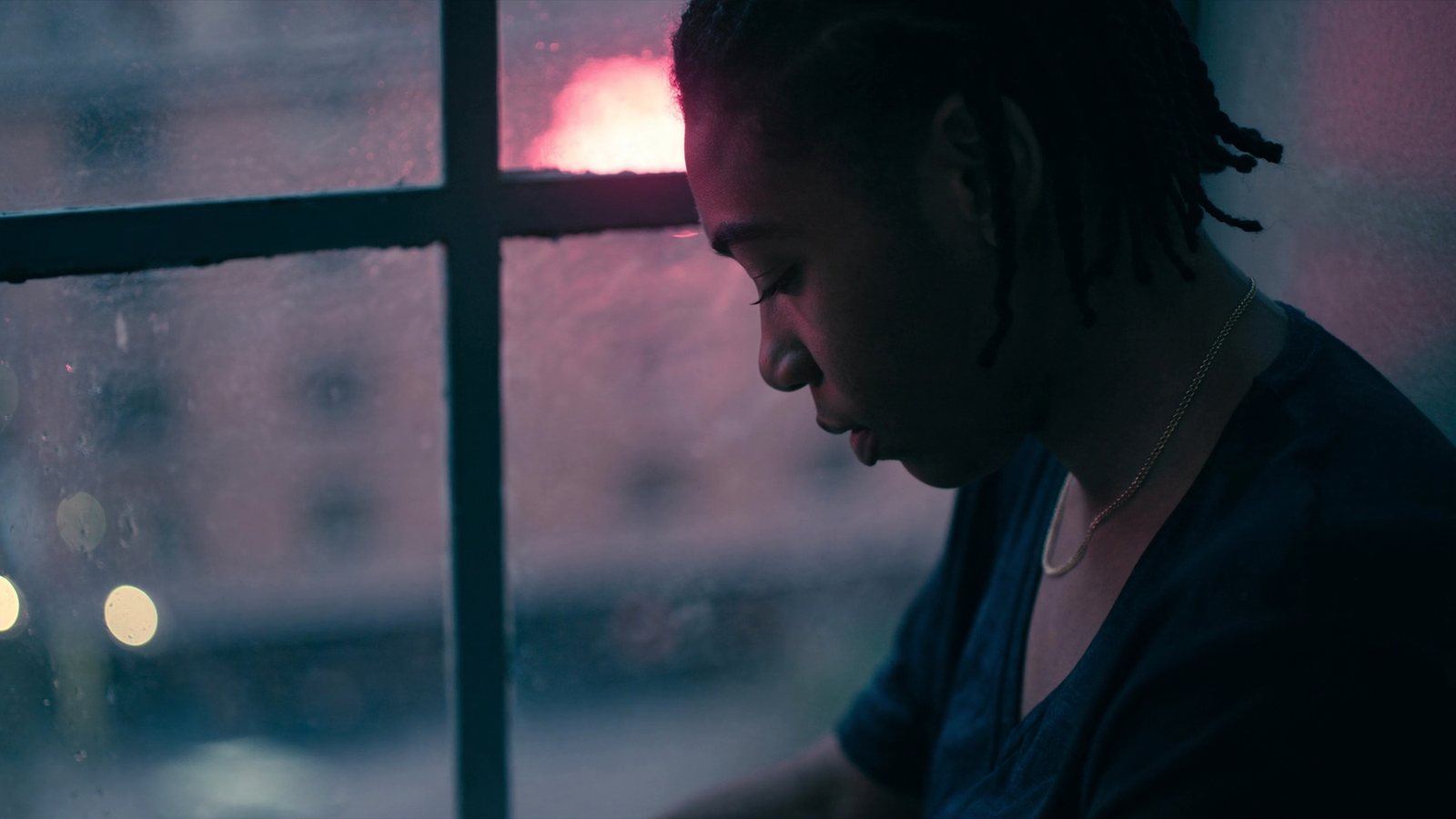
Cannabis and mental health are colliding in the research literature, and Gen Z sits at the center of it. A run of 2026 studies has sharpened a picture that is more complicated, and more cautionary, than either side of the legalization debate usually admits: young people increasingly reach for cannabis to cope with anxiety and depression, even as the strongest evidence suggests it does not reliably help and may, for some, make things worse.
What the studies found
A large Kaiser Permanente analysis found that teens who used cannabis were significantly more likely to be later diagnosed with depression and anxiety, and that past-year users were more than twice as likely to be diagnosed with a psychotic or bipolar disorder. A separate study led by McMaster University, published in The Canadian Journal of Psychiatry in February 2026, tracked tens of thousands of people and found that rising cannabis use and worsening mental-health symptoms are increasingly showing up together, with the link strengthening over time. And a major review highlighted this spring found little solid evidence that cannabis effectively treats anxiety, depression, or PTSD, despite how often it is used for exactly that.
Correlation is not causation, but the pattern is hard to ignore
None of this proves cannabis causes depression. People who are already struggling may be likelier to reach for it, a pattern researchers call self-medication. But the consistency across studies, and the fact that the association is strongest in adolescents whose brains are still developing, has made even cautious scientists uneasy. The wildcard is potency: today's flower and concentrates are far stronger than the cannabis older studies measured, and high-THC products appear to carry more mental-health risk than the milder products of decades past.
The perception gap
Surveys keep finding that young people view cannabis as low-risk, often lower-risk than alcohol. That is true on some measures and not on others, and the research suggests the gap between perceived and actual risk is widest exactly where it matters most: heavy, high-potency use during the teen and young-adult years.
What to do with this
For adults who choose to use cannabis, the takeaways are practical rather than preachy. Lower potency and lower doses carry less risk, balanced THC and CBD products tend to feel gentler, and careful dosing matters more than the biggest number on the label. Cannabis is not a treatment for a mental-health condition, and anyone leaning on it that way is better served by talking to a professional.
This is a sensitive topic. If you or someone you know is struggling with anxiety, depression, or cannabis use, consider reaching out to a doctor or a mental-health professional, support is available and it works. Educational only, not medical advice. For adults 21+.