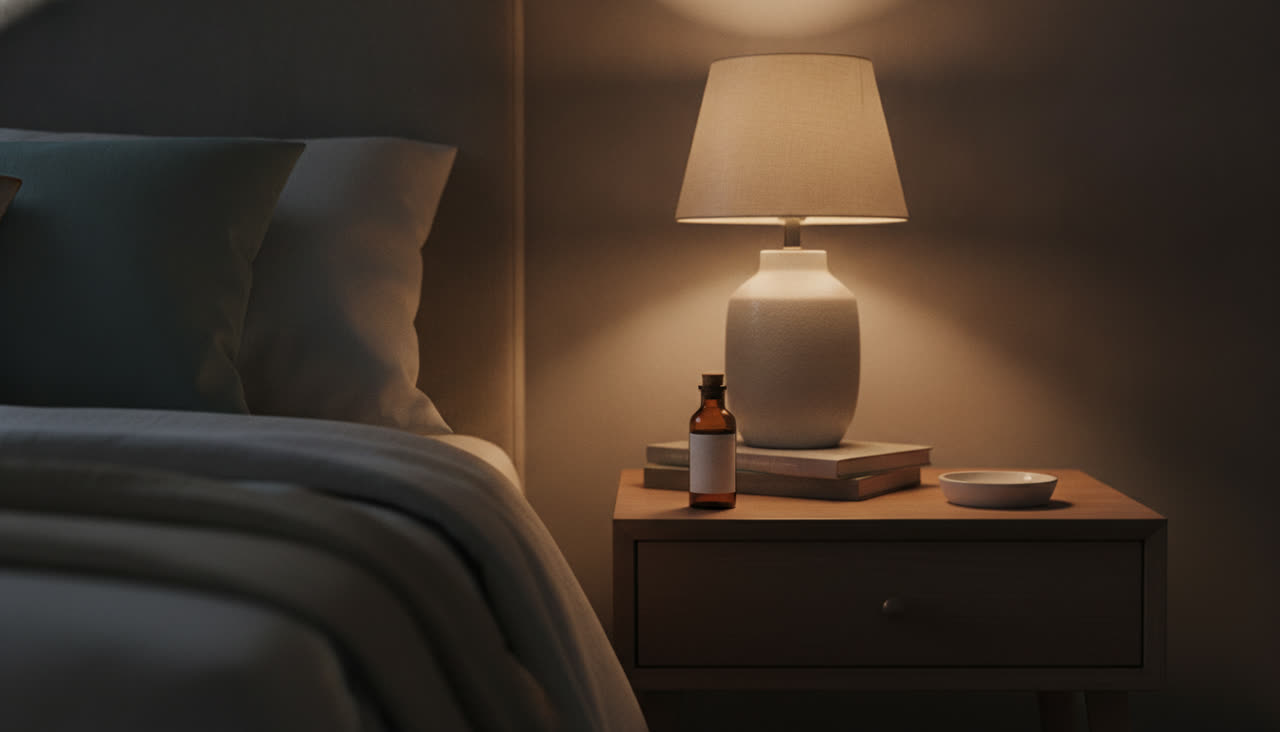
Sleep is one of the most common reasons people turn to cannabis — and also one of the most misunderstood. The relationship between cannabis and sleep is real but nuanced: it helps many people wind down, the science is still catching up, and the details of what and how much you use matter a lot. This beginner's guide lays out what's known, what to be cautious about, and how people approach cannabis for rest.
An honest starting point
Let's be straight: lots of people use cannabis to fall asleep and feel it works for them, but the research is still developing, and effects vary from person to person. Cannabis may help you relax and drift off, but it is not a guaranteed sleep aid, and it is not a replacement for healthy sleep habits or for treating an actual sleep disorder. Think of it as one possible tool, used thoughtfully — not a cure.
The cannabinoids that matter for sleep
Three compounds come up most:
- THC is sedating for many people at the right dose, which is why it's the backbone of most sleep-oriented products. But more isn't better — too much can backfire into restlessness or next-day grogginess.
- CBN (cannabinol) is the minor cannabinoid most associated with sleepy, relaxing effects. It's the headline ingredient in many 'nighttime' formulas, usually paired with THC. Rigorous research on CBN is still limited, but plenty of users find CBN-plus-THC products notably calming.
- CBD is non-intoxicating and, for some, balances THC and promotes calm without a strong high.
Many sleep products combine these — a little THC, some CBN, sometimes CBD — to aim for relaxation without an intense head high.
Strains, terpenes, and 'indica' for sleep
You'll often hear that indica strains are for sleep. As our indica vs. sativa guide explains, those labels are rough generalizations — what really drives sedating effects is the mix of cannabinoids and terpenes. The terpene myrcene (earthy, also found in mango and hops) is associated with relaxing, couch-leaning effects, and linalool (the lavender terpene) is linked to calm. When shopping for nighttime products, the terpene profile tells you more than the indica/sativa label alone.
Method and timing
How you consume changes the overnight experience:
| Method | Why it suits (or doesn't suit) sleep |
|---|---|
| Edibles | Long-lasting through the night; take 30 min–2 hrs to kick in, so dose well before bed |
| Tinctures | Adjustable, relatively long-lasting, fast-ish under the tongue |
| Flower / vape | Fast onset for winding down, but effects fade sooner — may not last the night |
Because edibles take a while to start, take them well before you want to be asleep, not as you're getting into bed. And start low — a smaller dose often suits sleep better than a heavy one.
The important caveats
This is where thoughtful use matters. Some research suggests regular THC use may affect sleep architecture, including REM sleep, over time, and heavy nighttime doses leave some people groggy the next morning. Tolerance can build, so the dose that helped at first may stop working — a cue to take a break rather than escalate. And cannabis should never paper over poor sleep habits or an untreated sleep disorder. If sleep is a persistent struggle, that's a conversation for a healthcare professional.
Falling asleep vs. sleeping well
Here's a distinction worth holding onto: helping you fall asleep and improving your sleep quality are not the same thing. Many people find cannabis genuinely helps them drift off — and for someone lying awake with a racing mind, that alone can be valuable. But some research suggests that regular, higher-dose THC use may reduce REM sleep, the dreaming stage tied to memory and emotional processing. People often notice this as fewer or less vivid dreams while using nightly, and a rebound of intense dreams during a tolerance break. None of this means cannabis 'ruins' sleep, but it's why thoughtful, lower-dose use tends to beat heavy nightly dosing.
The tolerance trap with nightly use
Using cannabis for sleep every single night is the fastest route to building tolerance — the dose that knocked you out in week one quietly stops working by week six, tempting you to climb higher. That escalation is worth avoiding. Many people get better long-term results by keeping the dose low, reserving cannabis for the nights they actually need it rather than as an automatic habit, and taking periodic breaks to keep it effective. If you find you can't sleep without it, that's a signal to step back and reassess, ideally with a professional.
Cannabis vs. other sleep aids
People often reach for cannabis specifically as an alternative to alcohol or over-the-counter sleep aids. A few honest points of comparison: alcohol also helps some people fall asleep but is well known to fragment sleep later in the night; OTC antihistamine sleep aids can leave next-day grogginess and lose effectiveness over time. Cannabis has its own trade-offs (tolerance, possible REM effects, next-day fog at higher doses), so it isn't automatically 'better' — but for some people it's a preferable fit. The key is that none of these substitute for the fundamentals of good sleep.
Sleep hygiene comes first
This is the part it would be irresponsible to skip. Whatever you do with cannabis, it works best layered on top of solid sleep hygiene, not in place of it: a consistent sleep and wake time, a cool and dark room, limited screens before bed, and limited caffeine and alcohol late in the day. Cannabis can be a helpful nudge for a basically healthy sleeper having an occasional rough patch. It is not a fix for chronic insomnia or an undiagnosed sleep disorder — those deserve real evaluation. If sleep problems are persistent, severe, or worsening, that's a conversation for a healthcare professional, full stop.
How to start
If you want to try it, keep it simple: choose a low-dose, sleep-oriented product (often THC + CBN, sometimes with CBD) from a licensed dispensary, take it well before bed, and pay attention to how you feel both falling asleep and the next morning. Adjust slowly, keep the dose modest, and don't make it an automatic nightly habit. You can compare nighttime products and deals on High Today, and read the label for the cannabinoid and terpene details that matter.
The bottom line
Cannabis can be a helpful wind-down tool for many people, especially low-to-moderate doses of THC paired with CBN and the right terpenes — but it works best as part of good sleep hygiene, not a substitute for it. Start low, time it right, watch how you feel the next day, and treat persistent sleep problems as the medical matters they are. Educational only — not legal, medical, or financial advice. For adults 21+.