Most legal markets are dominated by a handful of giant multi-state operators (MSOs) churning out cannabis at scale. New York chose a different path — one built deliberately around small, local growers — and the result is one of the country's most interesting craft scenes. If you care about quality, character, and where your money goes, craft cannabis is worth understanding. This guide explains what "craft" actually means, why New York's market is structured to favor it, the names to know, and how to find small-batch flower and hash on dispensary shelves. Whether you're a flavor chaser, a values-driven shopper, or just curious why one eighth costs more than another, understanding the craft tier will change how you read a dispensary menu.
What makes cannabis 'craft'
Craft cannabis is about small-batch quality over mass production — the same idea that separates a neighborhood brewery from a national lager. It means careful cultivation, unique genetics, hand-tended plants, and a willingness to chase flavor and character rather than just yield. A craft grower might release a few standout cultivars with real personality instead of oceans of generic flower. The difference often shows up in the terpene profile and the cure; our beginner's guide to terpenes explains why those aromatic compounds matter as much as the THC number on the label.
In practice, craft tends to mean a few things you can actually look for at the counter:
- Small, named harvests rather than anonymous bulk flower.
- Hand-trimmed, slow-cured bud with intact trichomes and strong aroma.
- Distinctive or rare genetics the big operators don't bother growing at scale.
- A grower's story the budtender can actually tell you — who farmed it and where.
Why New York is different
This isn't an accident — it's policy. New York structured its program to prioritize small, local, and equity-focused growers over the big MSOs that dominate elsewhere. Conditional cultivator licenses went to existing farmers, and early retail licenses prioritized justice-involved entrepreneurs. The result is a market with real room for family farms and small brands — a craft ecosystem by design. The state has even backed equity operators directly, as in its decision to bet $6 million on its cannabis equity operators. You can read more about the state's farmer-first framework from the New York Office of Cannabis Management.
Craft vs. mass-produced cannabis
| Factor | Craft / small-batch | Mass-produced |
|---|---|---|
| Scale | Small, hand-tended runs | High-volume output |
| Genetics | Unique, often rare cultivars | Popular, widely grown strains |
| Focus | Flavor, terpenes, character | Yield and price |
| Price | Usually higher | Usually lower |
| Impact | Supports local farms and equity | Often national brands |
The names to know
New York's craft tier is deep. Hudson Cannabis champions sun-grown Hudson Valley flower and sustainability. Bouquet crafts premium indoor flower with exotic terpenes. On the concentrate side, MFNY and Jaunty lead the solventless rosin scene, and Silly Nice makes clean ice-water bubble hash. These are starting points in a much larger field of small growers worth exploring. If hash and rosin intrigue you, our look at the solventless boom in New York and the difference between sun-grown and indoor cultivation go deeper.
What you're actually paying for
Craft's premium isn't marketing — it reflects real differences in how the cannabis is grown and handled. Small growers tend to hand-trim, slow-cure, and harvest at peak ripeness rather than rushing to volume, all of which preserve the delicate terpenes and minor cannabinoids that shape flavor and effect. That fuller chemical profile is the basis of the entourage effect, the idea that cannabis works best when its compounds act together rather than chasing a single high THC number. It's also why a craft eighth at 22% THC can outperform a mass-produced jar testing several points higher — a point our explainer on why higher THC isn't always better unpacks in detail.
Why it matters
Buying craft does more than get you interesting flower. It supports local farmers and the state's social-equity goals, keeps money in New York communities, and rewards the cultivators taking real risks on quality and genetics. In a market that could have been swallowed by national brands, craft is how New York keeps its character. Many of these small growers were the conditional cultivators who planted the state's very first legal crops, so buying their flower is a direct way to back the people who built the market from the ground up.
There's a cultural payoff, too. Craft growers are the ones experimenting with rare genetics, reviving older cultivars, and chasing flavors the big operators won't bother with at scale. If you've enjoyed the novelty of trend strains — from Runtz to Gelato — it's frequently small cultivators who introduce and refine that kind of genetics first.
How to find craft cannabis
- Ask your budtender for New York craft or small-batch options by name.
- Read the label for the grower and cultivation method — sun-grown and small-farm flower is often called out.
- Be willing to pay a little more for the good stuff; small-batch production is labor-intensive.
- Explore solventless hash and rosin, where the craft scene is especially strong.
To dig in, compare today's deals across licensed dispensaries and browse New York brands on High Today to discover the small makers behind the best flower in the state.
Sun-grown, indoor, and the sustainability angle
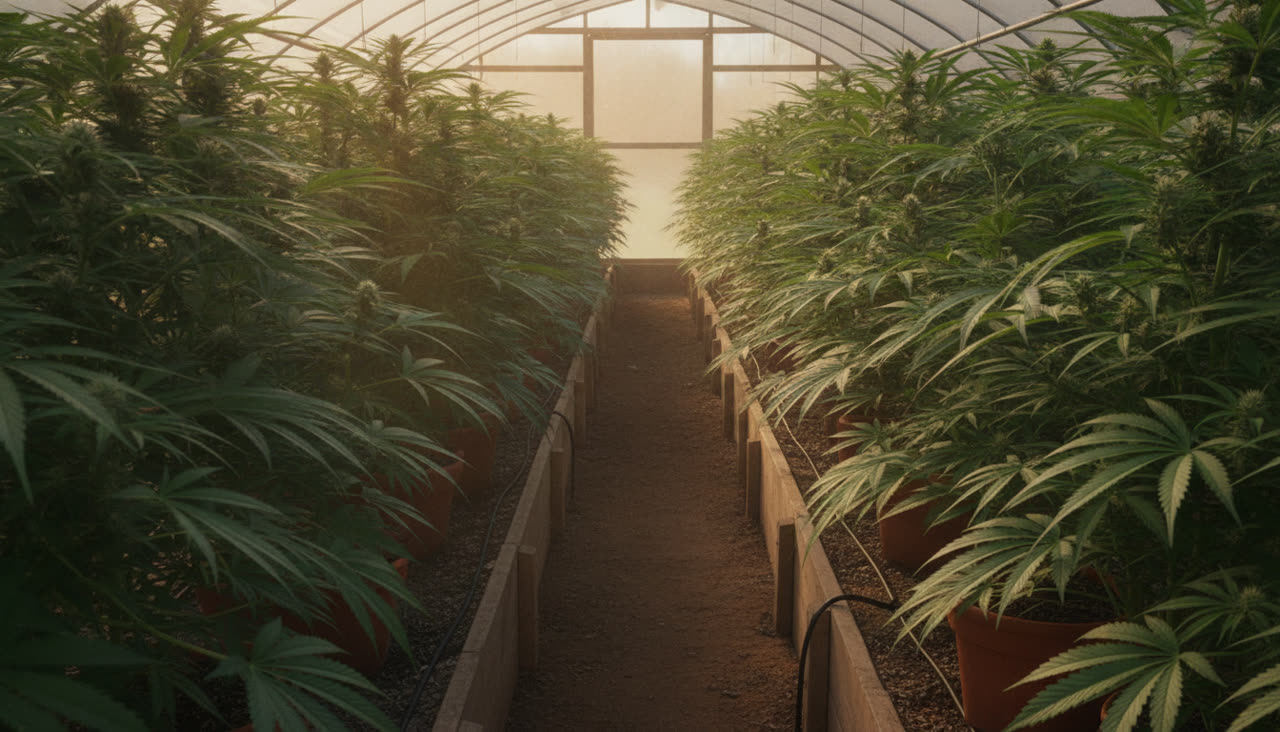
A lot of New York craft is sun-grown — cultivated outdoors or in greenhouses using natural light rather than energy-hungry indoor lamps. That's both an environmental choice and a flavor one: outdoor and greenhouse flower can develop terpene profiles that reflect their growing conditions, the cannabis equivalent of a wine's terroir. Indoor craft, meanwhile, gives growers tight control to coax out exotic, dialed-in profiles. Neither is automatically "better" — they're different tools, and the best craft brands use whichever suits the cultivar. Our deeper look at sun-grown vs. indoor cultivation breaks down the trade-offs so you can read a label with more context.
A few tips for getting the most out of craft
- Buy fresh and store it right. Craft flower rewards care; our guide to storing cannabis so it stays fresh helps protect those terpenes.
- Smell and inspect when you can. Aroma, trim quality, and trichome coverage tell you a lot about a small-batch harvest.
- Talk to the budtender about what just dropped — craft inventory moves fast and rotates often.
The bottom line
New York bet its market on small growers, and craft cannabis is the payoff: small-batch quality, unique genetics, and local character you won't find in a mass-produced jar. Seek it out, and you support the farmers and equity operators who make New York's scene one of a kind.
Educational only — not legal, medical, or financial advice. For adults 21+.